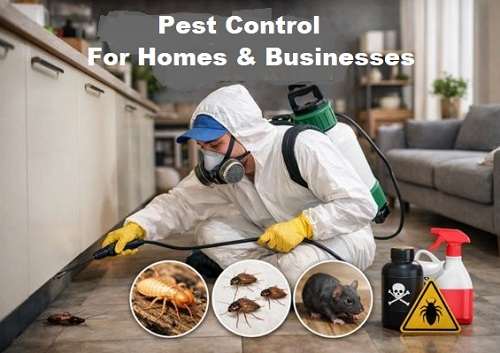
How to get rid of pests in Nairobi: It’s not uncommon to find pests lurking in and around homes. These unwanted creatures can cause a variety of problems, from damaging property to spreading disease. The common household pests and how to get rid of them. These pests include ants, flies, cockroaches, rats, bedbugs, and termites. Each of these pests presents unique challenges when it comes to control and elimination, but if checked well how to effectively address them definitely be free from pests. By understanding the behavior and biology of these pests, as well as the most effective control methods, you can keep your home safe and pest-free.
When you want some help controlling those pests? Surely there are so many tips available regarding what you can do on our own. With your family’s help, you guys will eliminate most if not all of the pest control problems in your home. How to get rid of pests.
Make sure that your house is sealed at all times so that the bugs from the outside cannot get in. You can place a rubber barrier under your doormat, which is a common entryway for bugs from the outside. This will help to seal your house so that bugs cannot come in and disturb you.
Eliminate pests naturally. Sometimes you don’t need to resort to chemicals to control pests. Removing sources of water, food and shelter is one way to get rid of them. This is particularly effective in the case of rodents. If you have pets, don’t leave food or water bowls outside, and ensure that you don’t have any holes or cracks in the exterior of your home.
Remove full garbage from the home immediately. Garbage left sitting around for too long is one of the main reasons for pest invasions into a home. The minute your garbage is full (or even if it isn’t but it’s been out for a while), remove it from your living area and place it in the appropriate receptacle for pick up.
Pests like a nice home for the same basic reasons you do. They want food, water, and shelter. If they can find these in your house, they’ll move in. Pests commonly found inside homes include ants, cockroaches, earwigs, rats, flies, house centipedes, silverfish, and spiders. Pet owners sometimes have to deal with fleas and ticks in the house. Each of these pests can show up at different times of the year, and some are more problematic in certain parts of the country than others.
Best Ways To Get Rid Of Pests In Homes & Businesses in Nairobi
Don’t Let Pests Feel at Home: Tiny gaps around the front door and tears in the window screens? These are giant “welcome!” signs inviting bugs into your home. While it seems nearly impossible to keep bugs out all the time, here are some easy ways to help eliminate.
Seal Up Cracks & Openings: Take a close look at your screens, windows, and doors. If you see any cracks or holes, caulk them or repair them. Add new weather stripping around your door to not only keep out cold drafts but also pesky bugs. Little cracks and openings are like wide-open doors for bugs.
Clean Up the Kitchen: You’re not the only one looking for a late-night snack in the kitchen; pests are, too. Pests like different foods, including flour, cereals, baking mixes, crackers, dried pasta, dried fruits, nuts, popcorn, and even spices. Ants go after the sweet stuff. Moths love rice, flour, cereal, and nuts. Flour beetles prefer a broad range of food including flour, cake mixes, dried fruits, nuts, chocolate, and spices. Make sure your food is stored in tightly sealed containers and purchase small packages that can be used in shorter periods of time. Keep your floors and counters clean and clear of food crumbs.
Dry Up Damp Areas: Bugs are not only seeking food, they are also searching for water. And some home invading pests, such as silverfish, springtails and house centipedes, prefer to hang out in damp places. Fix any leaky faucets, drains, or pipes. Make sure your air conditioner, washing machine, and dryer are all working properly. In areas of your house that are always damp, like the basement, run a dehumidifier. And don’t forget to check the attic to make sure it’s dry.
Clean & Sweep Regularly: Good housekeeping helps keep bugs away, especially in the kitchen where food crumbs can accumulate. Empty trash cans regularly, and vacuum weekly. Don’t forget to clean your kitchen-sink and bathtub drains; drain flies will live in there and fly out to look for food. Use a drain cleaner on a regular basis to keep these pests from becoming a problem. Avoid stacks of magazines, newspapers, and boxes—cockroaches love to hang out in them.
Keep the Outside Free of Debris: Firewood stacks, compost bins, and yard waste are good hiding places for bugs that might move indoors. Make sure these places are away from the house. Before you bring in firewood, check it for bugs hitching a free ride. Remove areas of standing water in your yard that can be breeding areas for mosquitoes. Keep landscape beds free of weeds and plant debris which can harbor insect pests, and keep tree and shrub branches pruned away from the foundation of your house.
Kill the pests You See: To prevent small pests problems from becoming big pests problems indoors, control them as soon as possible. Use indoor pests control needs, including baits, aerosols, and ready-to-use products featuring best contents.
Create a Barrier to Keep Pests Out: Create a pest barrier inside your home around windows, doors, and along baseboards. Indoors, on nonporous surfaces it will kill and prevent ants, roaches and spiders for up to many months. Next, stop bugs outside before they can come in.
What are the Signs of Pest Infestation?
Each different type of pest has different signs that indicate they are in or are inhabiting a particular area. Whether it be cockroaches, rodents or birds, each pest indicates its presence differently.
Being able to identify the signs of pest infestation is highly important to prioritize the health and well-being of employees and customers in your establishment. Below are some of the most common ways that you can tell if a pest is present in your workplace.
Droppings: Droppings are an obvious sign that a pest may be living or roaming in your area of work. It can be more difficult to identify the droppings of certain pests than others, so this is a sign that tends to be mainly associated with rodents because of the size of their waste. If you’re facing an insect infestation, it may take you much longer to identify droppings, which may mean the infestation has already grown when you do identify them. However, if a workplace is regularly and thoroughly cleaned, you should be able to notice them quickly.
Strange or Unusual Noises Especially at Night: Hearing noises when the house is quiet is one of the most overlooked subtle signs you have a pest infestation. Most pests are nocturnal, so they become active when you’re asleep.
Footprints: Footprints are another obvious sign of the presence of pests in a location. A series of footprints is a definitive indication that an area has been infiltrated by pests, such as mice and rats. If many pests have been tracking in and out of an area, you may find less defined indications of footprints that resemble more of a smear. In some cases, despite this being a negative indication that your workplace does have a pest infestation, a track may be useful in helping you identify where the source of the pests may be coming from. You may find that pests can access your work area from a specific location, which could be easily blocked to avoid future visitors and infestations.
Damage to Property and Equipment: Further signs of pest infestation include damage to items or areas that are accessible or reachable to the pest. Typical damages inflicted by larger pests may include chewed furniture or loose items, including wiring, or wooden materials. Other physical damage caused by pests includes pests getting into food storage areas and working their way into food containers and packaging, which can lead to increased wasted food and thus increased expenditure for a business.
Nests: Finding evidence of a nest created by pests is another typical indication of an infestation. Depending on the type of pest that has created the nest, the evidence will vary. Things like wasps, bees and ants nests tend to be quite easy to locate and identify, whereas rodent nests are often much harder to identify, as they tend to be found in ceiling voids and beneath or behind cluttered storage areas and shelves.
Foul or Unusual Odour: A foul or unpleasant smell in areas acts as a good indication that an area has been infested with pests. With pests such as rodents, they are often accompanied by an ammonia scent, which is likened to urine, and cockroaches are best known for emitting a greasy or oily smell.
Increased Allergy Symptoms or Respiratory Irritation: If your family suddenly develops allergies, unexplained coughing, or breathing discomfort, pests may be the cause—even if they’re hiding well.
Seeing Pests Only Occasionally A Sneaky Red Flag: Many homeowners ignore the occasional pest sighting one ant on the benchtop, or one mouse running across the garage floor. But even spotting insects or rodents only at night is a significant warning sign.
The Common Pests In Homes and Businesses To Get Rid of Permanently
When the common pests problems are known and all the types of pests that commonly invade homes is essential for effective pest control. From ants and cockroaches to mice and spiders, each pest presents unique risks and behaviors that require specific management approaches. Understanding their habits, breeding cycles, and preferred habitats allows homeowners to identify early signs of infestations before they escalate.
Pest control strategies tailored to the particular species ensure that preventive measures and treatment methods are more efficient. Regular observation and awareness of potential entry points, nesting areas, and food sources enable families to address problems proactively, keeping homes safe, hygienic, and comfortable for everyone. The common pests include:
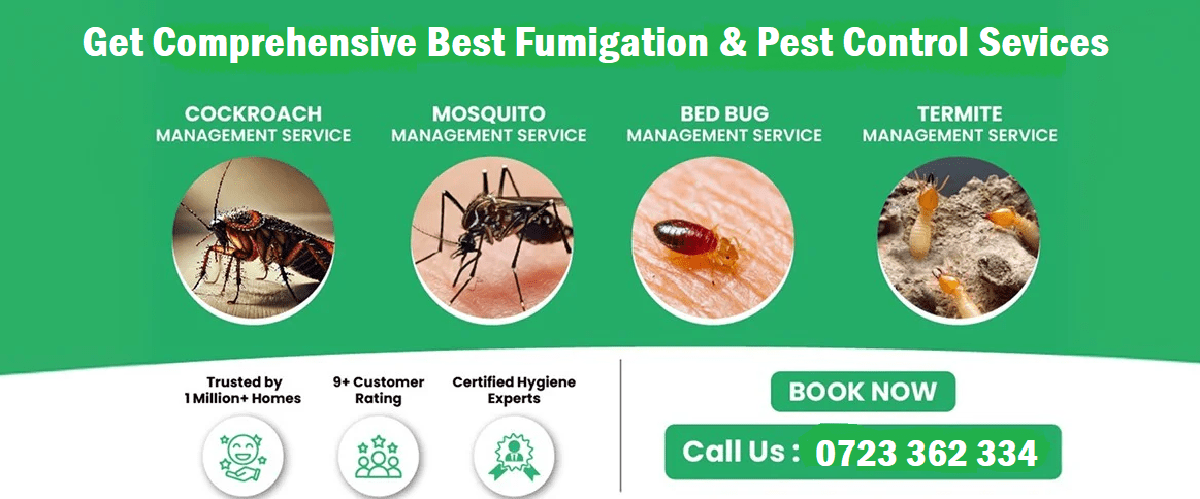
Ants Identifying Ant Species and Effective Control Methods: Ants are one of the most common household pests, and there are over 12,000 species found all over the world. Identifying the species of ants you are dealing with is an important first step in determining the most effective control method. Some ants are attracted to sweet or sugary foods, while others prefer protein-rich foods.
Once you have identified the ant species, you can begin to control the infestation. Some effective control methods include using ant baits, which are a slow-acting poison that the ants take back to their colony, ultimately eliminating the entire colony. Another method is to use insecticide sprays or dusts to directly kill the ants.
Preventing ants from entering your home in the first place is also key. This can be achieved by keeping your home clean and tidy, especially in areas where food is prepared or consumed. Additionally, sealing up any cracks or crevices around your home can help prevent ants from gaining entry.
Cockroaches Understanding their Behavior and Eliminating Them for Good: Cockroaches are notoriously difficult pests to eliminate, as they are resilient and can survive in a wide range of conditions. To effectively control and eliminate a cockroach infestation, it is important to understand their behavior and habits. Cockroaches are attracted to warmth, moisture, and food sources, so keeping your home clean and dry, and sealing up any cracks or crevices where they can enter, can help prevent infestations.
When it comes to eliminating cockroaches, there are several options available, including cockroach killer gel, baits, and sprays. Cockroach killer gel is a popular method because it is easy to use and can be applied directly to the areas where cockroaches are likely to be found. The gel contains a slow-acting poison that is attractive to cockroaches, and they will consume it and bring it back to the colony, effectively eliminating the entire population over time. For severe infestations, it may be necessary to call in a professional pest control service to assess and treat the problem.
How to get rid of cockroaches Include:
Cut off food and water
Eliminate all sources of food
Seal potential openings to eliminate hiding spots
Keep a clean space
Regularly clean your outdoor areas
Rats Trapping, Baiting, and Sealing Off Entry Points: Mice are a common household pest that can cause damage to property and spread disease. To effectively control a mouse infestation, it is important to take a multi-faceted approach that includes trapping, baiting, and sealing off entry points.
Trapping and baiting can be effective methods for controlling mice. Snap traps and glue boards can be used to physically trap mice, while bait stations containing poison can be used to kill them. It is important to use caution when handling traps and baits, and to keep them out of reach of children and pets.
Sealing off entry points is also important for preventing mice from entering your home in the first place. Mice can fit through very small spaces, so it is important to seal up any cracks or gaps in walls, floors, and doors. Additionally, keeping food and trash properly sealed can help reduce the likelihood of attracting mice to your home. If the infestation is severe, it may be necessary to call in a professional pest control service to assess and treat the problem.
How to get rid of rats include:
Keep your house clean and tidy
Repair your home to seal entry points
Store food in airtight containers
Use rat traps
Perform Regular Inspections
Avail rats control experts
Bed Bugs Prevention Measures and Treatment Options: Bed bugs are a common household pest that feed on human blood, typically at night while we are sleeping. They are notoriously difficult to eliminate and can spread quickly if left untreated. Prevention is key when it comes to bed bugs, and measures such as regularly vacuuming, washing bedding in hot water, and inspecting second hand furniture before bringing it into your home can help reduce the risk of infestation.
If you do discover a bed bug infestation, there are several treatment options available, including bed bug killer sprays and powders, steam cleaning, and professional extermination services. Bed bug killer sprays and powders can be effective if used correctly, but it is important to follow instructions carefully and use products that are safe for use around humans and pets. Professional extermination services can also be effective for eliminating bed bugs, and may involve a combination of chemical treatments and heat treatments.
Getting rid of bed bugs quickly requires a mix of proven treatments and smart prevention methods. Whether you’re looking for natural remedies for bed bugs or the best way to kill bed bugs fast, this guide has you covered.
How to get rid of bedbugs include:
Get expert exterminator for Bedbugs Treatment
Vacuum Thoroughly
Steam Cleaning
Freezing Treatment
Isolate the Infested Items
Wash Bedding in Hot Water
Use a Bed Bug Heater
Declutter Your Space
Termites Signs of an Infestation and Professional Treatment Solutions: Termites are a destructive household pest that can cause significant damage to the wooden structure of your home. Early detection is crucial for effective control, as termites can cause significant damage before the infestation is even noticed. Signs of a termite infestation include mud tubes on exterior walls, swarming termites, and hollow or damaged wood.
If you suspect a termite infestation, it is important to call in a professional pest control service for treatment. Professional treatment solutions may include liquid termiticides, baits, or a combination of both. Liquid termiticides are applied to the soil around the perimeter of the home, creating a barrier that prevents termites from entering. Baits contain slow-acting poison that is carried back to the colony by foraging termites, ultimately killing the entire colony. It is important to work with a reputable pest control company that has experience in termite control, as effective treatment can be complex and requires specialized equipment and knowledge.
How to get rid of termites include:
Regular inspections
Identify the type of termites
Use chemical treatments
Heat treatment
Natural remedies