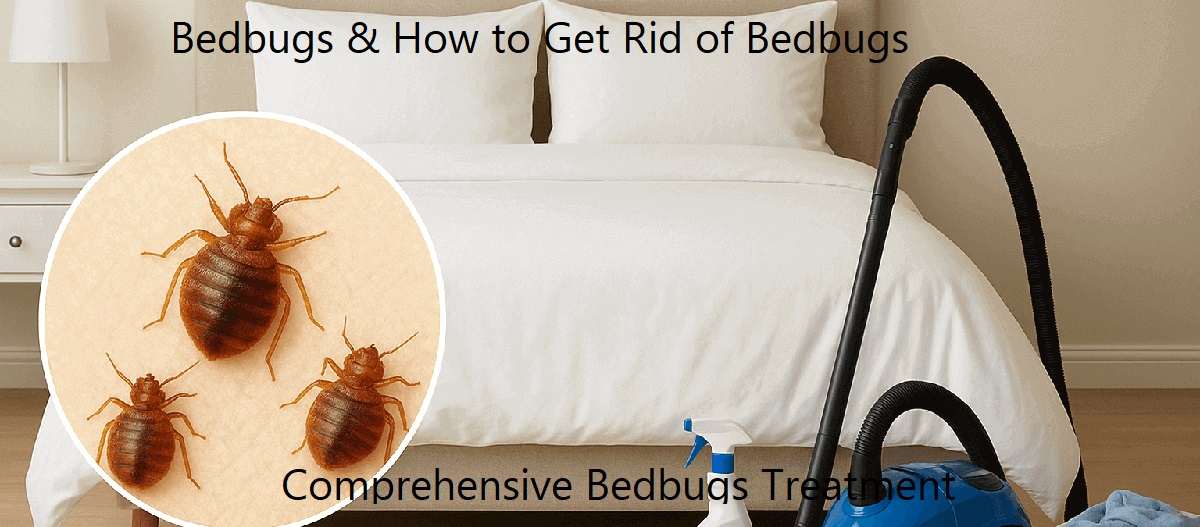
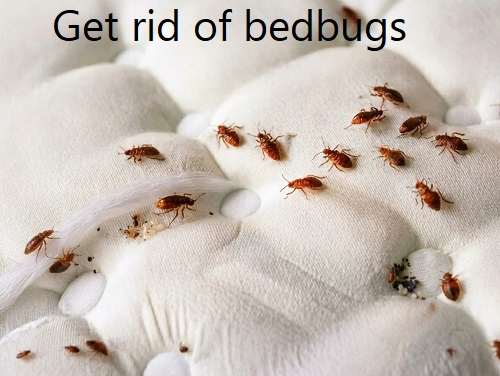
 Bedbugs are small, reddish-brown insects that feed on the blood of humans and animals. They are nocturnal pests, preferring to come out and feed during the night. While they are not known to transmit diseases, their bites can cause itching and discomfort. Bed bugs are commonly found in and around beds and resting sites, hence their name, but they can also infest other areas of a home. Get to know how to get rid of bedbugs, Bed Bug and How to Get Rid of Bedbugs, how to control bedbugs, get rid of bedbugs permanently.
If you’re struggling with an infestation, Jopestkil Kenya professional bedbug extermination services are the key to reclaiming your space. For effective bedbug control solutions in Nairobi, it’s essential to address bedbug infestations comprehensively. While DIY methods like vacuuming and steaming can help reduce their numbers, they often fall short of complete eradication. Professional services employ advanced techniques such as heat treatment, fumigation, and chemical sprays. These targeted strategies meet the specific needs of your property, providing a comprehensive solution. Opting for professional bedbug control solutions ensures safety and effectiveness in eliminating infestations.
Signs of a Bed Bug Infestation
The first step in declaring war on bed bugs is to identify bed bugs and confirm their presence. These cunning critters are experts at staying undercover, but with a discerning eye, you can spot signs of an infestation. Look for live insects, mysterious blood spots, and peculiar brown stains on your sheets – these are telltale signs that bed bugs have made themselves at home.
One of the primary indicators is the presence of red, itchy welts on the skin caused by bed bug bites, although not everyone reacts to these bites. Additionally, signs include small bloodstains on bedding, dark fecal spots on mattresses, and the discovery of molted exoskeletons and tiny, pale eggshells in hiding spots. A distinct musty odor may also be present in severe infestations.
Here are common signs of a bed bug infestation:
Bite Marks on Skin: Bed bugs often bite exposed areas of skin, leaving itchy, red welts. However, not everyone reacts to bed bug bites, so some people may not show visible signs.
Small Blood Stains on Bedding: After feeding, bed bugs may leave small blood stains on sheets and pillowcases. The blood may appear as tiny dark spots or streaks.
Dark, Rusty Spots on Mattresses or Furniture: Bed bugs excrete digested blood, and these fecal stains can appear as dark, rusty spots on mattresses, bed frames, and nearby furniture.
Eggshells and Shed Skins: Bed bugs molt as they grow, leaving behind empty exoskeletons. You may also find tiny, pale yellow eggshells and eggs in crevices and seams.
Musty Odor: In severe infestations, bed bugs release pheromones that can produce a sweet, musty odor. However, not everyone can detect this smell.
Live Bed Bugs: If you have a bed bug infestation, you may be able to see live bugs crawling on your mattress, bedding, or nearby furniture.
Reddish-Brown Bugs in Cracks and Crevices: Adult bed bugs are about the size of an apple seed and are flat and oval-shaped. They hide in cracks, crevices, and other hiding spots during the day.
Tiny White Pearls: Bed bug eggs are tiny, about the size of a pinhead, and are pearly white. They are usually found in clusters.
Bite Patterns: Bed bug bites often appear in clusters or a linear pattern, as the bugs may feed multiple times in one area.
Bugs in Other Areas: While bed bugs are most commonly found in or around beds, they can also infest other areas, such as sofas, chairs, and even electrical outlets.
Addressing bed bug infestations promptly is crucial for several reasons:
Preventing Spread: Bed bugs are notorious for their ability to spread quickly. They can move from room to room and infest neighboring areas in a short period. Addressing the infestation promptly can prevent the bugs from spreading to other parts of your home, reducing the scope of the problem.
Reducing Population Growth: Bed bugs reproduce rapidly. A single female can lay hundreds of eggs in her lifetime. Prompt intervention helps in controlling their population growth, preventing a small infestation from turning into a large and challenging-to-control problem.
Minimizing Health Risks: While bed bugs are not known to transmit diseases directly, their bites can cause allergic reactions and secondary skin infections. Additionally, the stress and anxiety associated with a bed bug infestation can impact mental health. Promptly addressing the issue can minimize these health risks.
Protecting Belongings: Bed bugs can hide in various items, including furniture, clothing, and luggage. By addressing the infestation promptly, you can protect your belongings from becoming infested, reducing the likelihood of having to discard or replace items.
Preventing Structural Damage: Although bed bugs do not cause structural damage like some other pests, their presence can lead to secondary problems. For example, excessive use of pesticides in an attempt to eradicate bed bugs can damage furniture, flooring, and other materials. Addressing the infestation promptly allows for more targeted and less damaging treatment options.
Maintaining Reputation: In settings such as hotels, rental properties, and businesses, prompt resolution of bed bug issues is crucial for maintaining a positive reputation. Delayed action can lead to negative reviews, damage to the establishment’s image, and potential legal implications.
Financial Considerations: The cost of treating a bed bug infestation tends to increase with time. Early detection and intervention can save money by preventing the need for extensive treatments and minimizing damage to belongings.
Peace of Mind: Living with a bed bug infestation can be extremely stressful. Promptly addressing the issue brings a sense of relief and allows individuals to regain a sense of normalcy in their living environment.
Our Targeted Treatment Process
Our innovative range of treatment options will quickly, effectively, and discreetly treat bed bugs in your home or business environment.
Rapid Response and Survey: – We respond to your call out swiftly and arrange an in depth survey of your property to identify the presence and exact location of the pests.
Infestation Assessment: – After a comprehensive survey has been carried out on your premises and the level of infestation is identified, your Rentokil technician will map out a precise strategy.
Customized Treatment Plan: – Once all treatment options have been discussed and a plan is agreed upon, a Rentokil technician will arrange to commence the professional bed bug treatment.
Our Strategic Effective Bed Bug Treatment Approach
Our specialized bed bug treatment programs are the most reliable way to take action against an infestation. Jopestkil Kenya technicians are extensively trained, highly skilled, and experienced professionals. They deeply understand the biological habits of bed bugs and use this advanced knowledge to choose the correct control methods and materials, developing an effective management program customized for your specific needs.
Our comprehensive bedbugs treatment approach provides several advantages over DIY methods:
Expertise in identifying the full extent of infestations
Access to commercial-grade equipment and restricted pesticides
Comprehensive treatment plans that address all life stages of bed bugs
Follow-up inspections to ensure complete elimination
Warranties or guarantees on their work.
Why Our Fast Action is Critical for Bed Bug Elimination
How to get rid of bed bugs fast requires immediate action and the right combination of heat, containment, and targeted treatments. Here’s our quick action plan:
Immediate Heat Treatment: Wash all bedding and clothing in hot water (120°F+) and dry on high heat for 30 minutes
Steam Treatment: Use a steamer at 160-180°F on mattress seams, bed frames, and furniture cracks
Containment: Vacuum thoroughly with HEPA filter, seal items in plastic bags, install mattress encasements
Professional Heat Service: For severe infestations, whole-room heat treatment at 135-145°F eliminates all life stages in one day
Chemical Backup: Apply registered and approved bed bug sprays to cracks and crevices where heat can’t reach
Get Rid of Bedbugs-Frequently Asked Questions
How can I tell if my home is infested with bed bugs?
To determine if your home is infested with bed bugs, check for live bugs, blood spots on bedding, brown stains on fabric, and a sweet, musty odour around the bed. These are common signs of a bed bug infestation.
How often should I inspect my home for bed bugs?
Inspect your home for bed bugs regularly, especially after travelling or buying second-hand furniture. This is essential for early detection.
How do professionals get rid of bed bugs completely?
Can I get rid of bed bugs on my own using DIY sprays?
It is highly unlikely. Over the counter supermarket sprays generally only kill the bed bugs you can see on the surface. They do not reach the deep structural cracks, skirting boards, or electrical sockets where bed bugs hide. Furthermore, bed bugs have developed a high resistance to common household chemicals. Missing just a single pregnant female or a few microscopic eggs will cause the entire infestation to rebound within weeks.
What should I do to prepare my room before Jopestkil arrives for treatment?
Proper preparation is vital for an effective treatment. Your Jopestkil technician will provide a detailed checklist, but major steps include removing all bedding and washing it at a high temperature of at least 60 degrees Celsius, clearing clutter off the floors to allow access to skirting boards, and emptying wardrobes near the bed. Do not move furniture or items to other rooms, as this can accidentally spread the infestation to clean parts of the building.
How long does it take to get rid of a bed bug infestation?
The initial professional treatment usually takes a few hours per room depending on the property size. However, because bed bug eggs are highly resilient and take time to hatch, total eradication typically requires a structured process. Jopestkil Kenya provides rapid response treatments followed by scheduled inspections to ensure that any emerging nymphs are completely eliminated before they can lay new eggs.
How can businesses prevent bed bugs from returning after a treatment?
For high risk environments like hotels, lodges, and hospitals, the best way to keep bed bugs away is through proactive management. Jopestkil Kenya helps businesses stay clear of infestations by implementing routine, professional inspection schedules and providing specialized staff training. By teaching your housekeeping team how to identify the earliest subtle signs of bed bugs, you can catch hitchhiking pests before they ever establish a widespread problem.