Property Assessment
We identify feeding sources, shelter points, access routes and areas where nuisance is concentrated.
Humane Property Management
Humane property assessment, sanitation and exclusion advice for residential and commercial premises experiencing recurring nuisance from unmanaged free-roaming or feral cats.
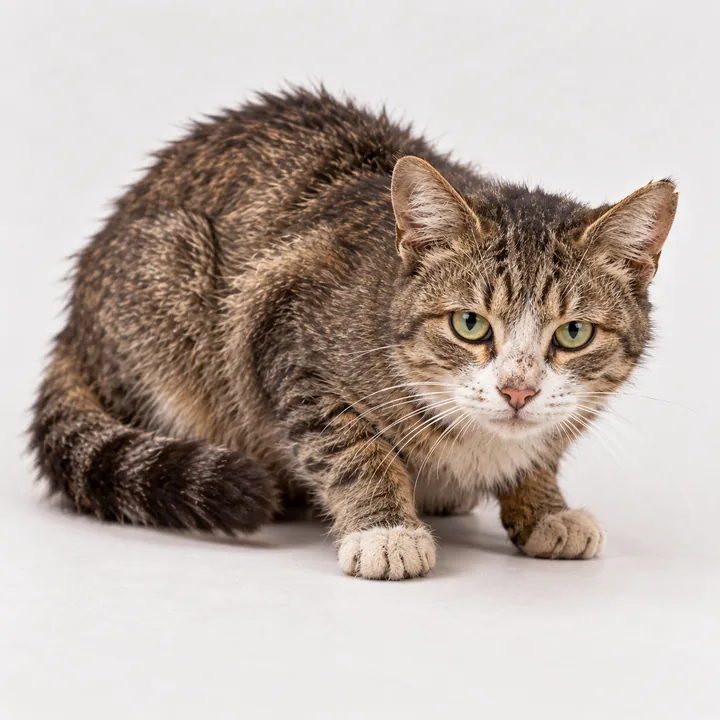
The objective is to reduce nuisance and property access by addressing food, shelter, waste and entry conditions without creating unnecessary risk to people or animals.
We identify feeding sources, shelter points, access routes and areas where nuisance is concentrated.
Open waste, food scraps and feeding points are reviewed because they can sustain repeated activity.
We recommend practical ways to close access beneath structures, into roof spaces and around service areas where appropriate.
The property plan focuses on humane environmental changes that make the site less attractive for repeated sheltering.
Free-roaming cats may repeatedly use properties that provide food, water, shelter and quiet nesting areas. Common nuisance includes torn refuse bags, odour, fouling, noise and animals entering roof voids, stores or hygiene-sensitive spaces.
Long-term management should be humane and site-specific. Simply chasing animals away may not work if food, waste or sheltered access remains available.
We focus on the environmental reasons cats keep returning to the property.
Identify food, waste, water, shelter and access routes.
Improve waste storage and remove unintended feeding sources.
Close suitable access points where this can be done safely and humanely.
Review whether nuisance reduces and adjust property measures as needed.
The plan emphasises humane environmental management and appropriate liaison with animal-welfare services where needed.
Food premises, stores and waste areas need stronger sanitation and exclusion controls.
Avoid blocking access until the situation is assessed so animals are not trapped inside.
Persistent activity may mean other food or shelter sources remain around the property.
The most reliable property-level improvements remove the reasons the site is attractive in the first place.
Accessible refuse can encourage repeated scavenging and larger groups of animals.
We recommend secure waste handling and removal of unintended food sources.
Roof voids, crawl spaces and gaps can become recurring resting or nesting areas.
We identify access and recommend humane exclusion after checking that animals are not trapped inside.
Territorial use of the same areas can create ongoing hygiene problems.
Sanitation, deterrence and access control are combined in a property-specific plan.
Waste and food-source control reduces one of the main attractants.
Practical exclusion can stop repeated entry into structures.
Measures are designed to avoid unnecessary harm or trapping animals inside.
The focus is on changing the property conditions supporting recurrence.
Practical answers to common questions before arranging service.
No. Property management should be humane and should not rely on poisoning or unnecessary harm.
Reliable food, waste, water and sheltered resting or nesting spaces can encourage repeated activity.
Yes, where appropriate, but first confirm that no cats or kittens are trapped inside.
Secure bins, remove food scraps promptly, improve cleaning and close shelter or access points where practical.
Avoid sealing them in. Appropriate animal-welfare guidance may be needed before exclusion work is completed.
Get a free quote today and take the first step towards a safer, healthier, pest-free tomorrow.