Swarm & Nest Assessment
We confirm whether the activity is a temporary swarm, an established nest or another stinging insect problem before recommending action.
Professional Bees Control & Management
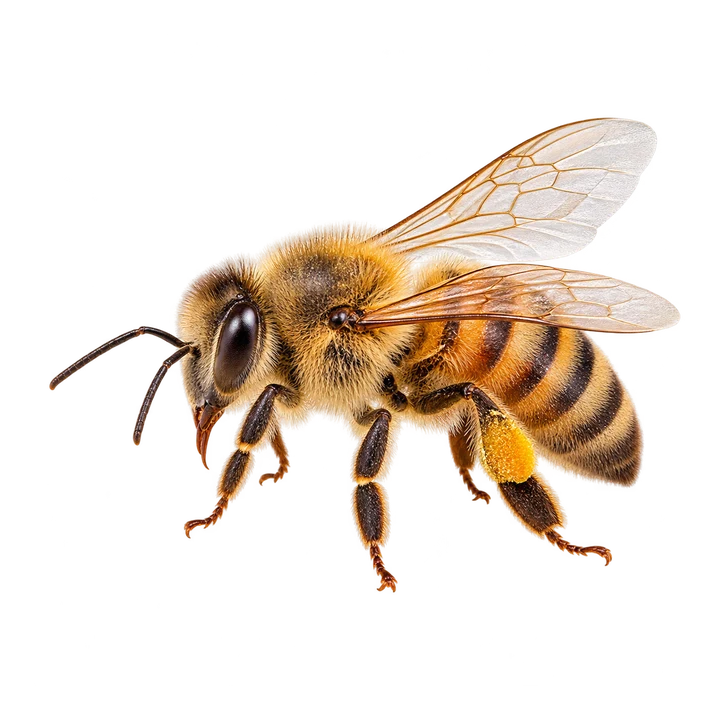
Bees are essential pollinators that facilitate the reproduction of plants by transferring pollen from male to female flowers effectively. This process enables the growth of fruits, vegetables, and flowers, supporting biodiversity and maintaining the delicate balance of ecosystems. At Jopestkil Kenya, we understand the vital role bees play in our ecosystem. That's why we offer safe bee removal services as a humane and environmentally friendly solution for bee infestations. Our expert technicians are trained to safely relocate or remove bees without causing harm to these valuable creatures in homes and commercial facilities. We deliver prompt, affordable emergency bee removal services for residential and commercial properties, ensuring your premises remain completely secure and bee pest free.
Following the same inspection-led service logic used by leading professional pest-control pages, we focus on the source of the problem, the right treatment method and practical steps that reduce recurrence.
We confirm whether the activity is a temporary swarm, an established nest or another stinging insect problem before recommending action.
The plan considers proximity to people, schools, businesses, entrances and other high-use areas.
Where conditions allow, relocation or bee-conscious management may be considered rather than unnecessary destruction.
We identify wall voids, roof gaps and sheltered cavities that may allow future nesting and recommend practical proofing.
A visible cluster of bees is not always an established nest. Swarms may rest temporarily while searching for a new site, while established colonies can occupy wall cavities, roofs, trees or other protected spaces.
Correct identification and location assessment are important before treatment. Bee management should prioritise safety while avoiding unnecessary disturbance when the insects are not posing an immediate risk.
A clear four-stage process keeps the work focused, measurable and easier to follow up.
Confirm the insect, activity pattern and whether a nest is established.
Choose the safest management option based on location, access and risk.
Relocate or remove the colony where practical and appropriate for the situation.
Advise on sealing access points and reducing future nesting opportunities.
Every property is different. The technician selects methods according to pest activity, access, risk and how the space is used.
Activity near walkways, schools or busy commercial areas needs professional assessment to reduce sting risk.
Consistent traffic into one opening often indicates an established nest rather than a temporary swarm.
Correct identification matters because the safest control method differs by species and nest type.
Good pest control addresses immediate activity and the conditions allowing it to continue.
A nest near doors, paths or work areas can create a sting risk for occupants and visitors.
We assess the nest location and choose a management method that prioritises safety.
Hidden nests can be difficult to reach and may persist if only visible bees are removed.
We identify access routes and plan removal or relocation around the actual colony location.
Open cavities and sheltered gaps may attract new colonies.
Proofing recommendations help reduce future access after the nest has been managed.
The first step confirms whether you are dealing with honey bees, wasps or another insect.
Professional PPE and controlled access reduce unnecessary disturbance around the colony.
Where practical, bee-conscious options can be considered instead of immediate destruction.
Proofing helps reduce repeat nesting in roof gaps, walls and other cavities.
Practical answers to common questions customers ask before treatment.
No. Disturbing a swarm can increase sting risk. Keep people away and arrange a professional assessment.
In suitable situations, relocation or bee-conscious management may be possible. The decision depends on the nest location, access and safety risk.
Repeated bee traffic into the same hole over several days, buzzing from inside the wall and activity around one fixed entry point can indicate an established colony.
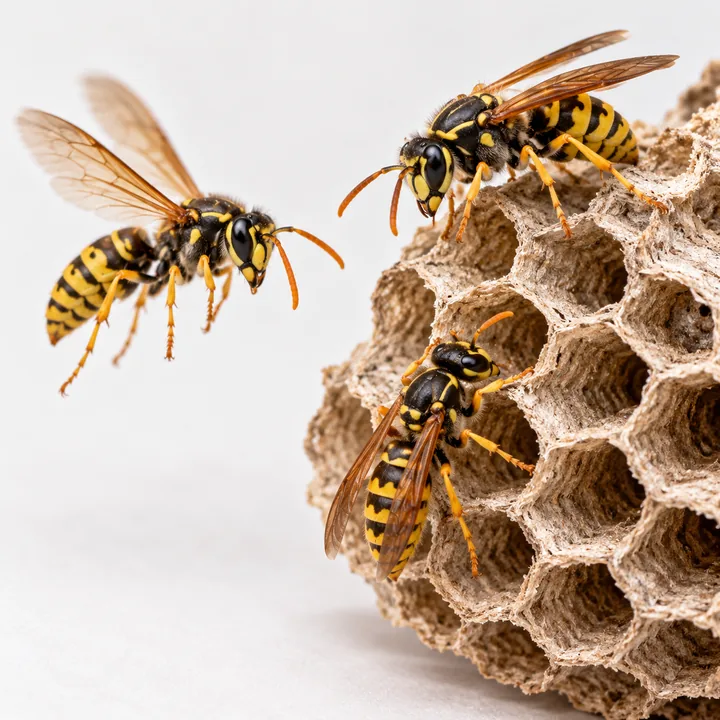
Bees and wasps differ in appearance, behaviour and nest structure. Correct identification is important because management methods are not the same.
Yes. Jopestkil can assess bee activity at hotels, offices, schools, warehouses and other commercial or institutional properties.
Get a free quote today and take the first step towards a safer, healthier, pest-free tomorrow.