How to Check a Pest Problem Before Booking Treatment
Start by noting where and when the activity appears. Look for droppings, live insects, webbing, damage, bites, nesting material, entry gaps or moisture around the affected area.
Avoid relying only on the pest you can see. Many infestations continue because harbourage, food, water or access points remain untreated. Photos and a clear description of the affected rooms can help the technician prepare for inspection.
For pest-specific information, use the Services section to compare signs, treatment approaches and preparation guidance before you book.
How to Prepare for Pest Control Service
Preparation depends on the pest and treatment method. Before service, confirm which rooms or areas will be treated and follow the preparation instructions provided for that job.
Common preparation may include clearing access to affected areas, securing food, moving items away from walls, laundering selected fabrics or keeping pets and occupants away from treatment zones for the recommended period.
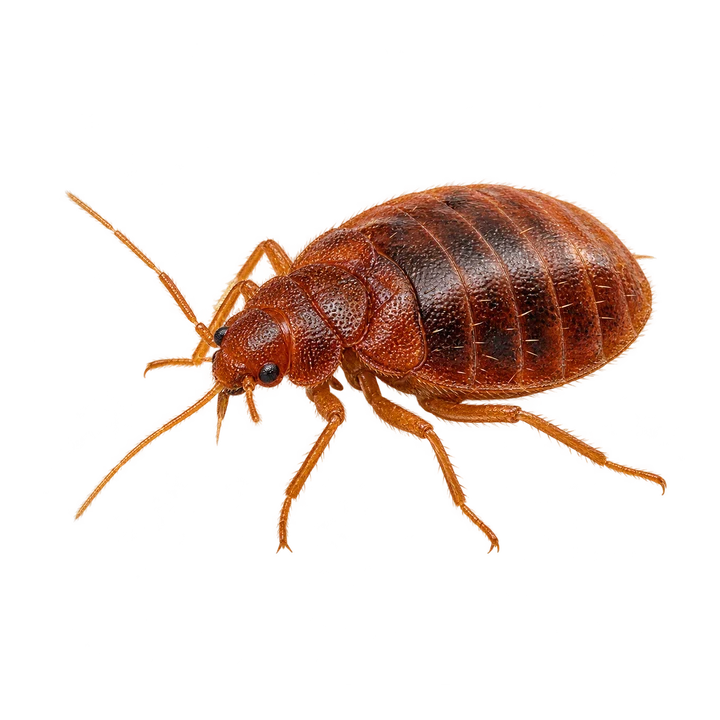
Do not move infested furniture or belongings between rooms unless instructed, because that can spread some pests such as bed bugs.
How to Reduce Pest Re-Entry After Treatment
Treatment works best when the conditions supporting pest activity are also addressed. Keep food sealed, manage waste, repair leaks, reduce clutter and remove standing water where practical.
Check doors, roof lines, service penetrations, drains and other likely entry points. Rodents, ants, cockroaches and other pests can return if easy access and harbourage remain available.
Where follow-up is recommended, monitor for fresh signs and report them clearly. This helps determine whether activity is reducing or whether another source or access point needs attention.