Environmental Assessment
We inspect dusty floors, sleeping areas, animal resting areas and other conditions that may support flea activity.
Jigger Control & Environmental Prevention in Kenya
Jopestkil provides jigger control and environmental prevention support in Kenya. Guidance can include treatment of affected premises, sanitation, floor and compound conditions, and practical measures intended to reduce continued exposure.
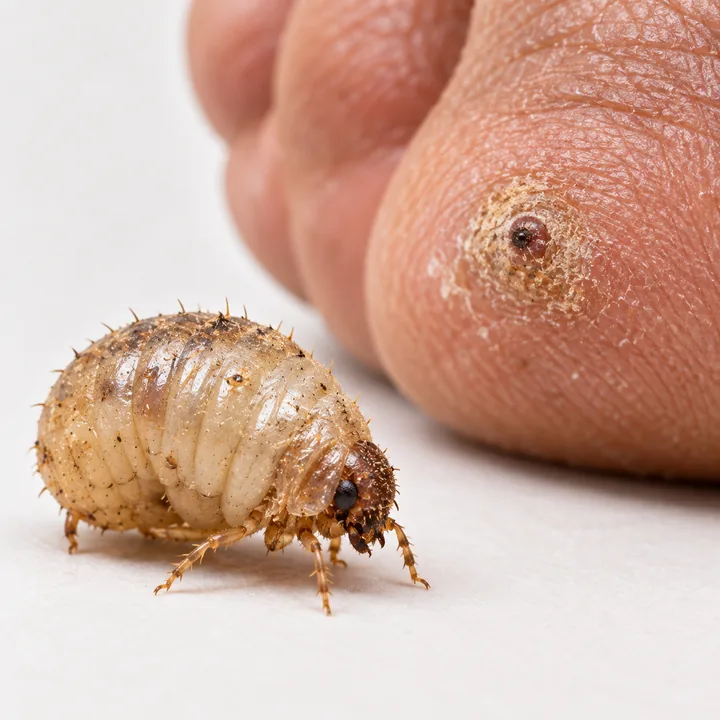
Jopestkil addresses the environmental conditions that can support flea activity. Treatment of a person with suspected tungiasis should be handled by a qualified healthcare professional.
We inspect dusty floors, sleeping areas, animal resting areas and other conditions that may support flea activity.
Where appropriate, an environmental pest-control plan is designed for the affected property.
We recommend cleaning, floor maintenance and bedding-area improvements that reduce exposure conditions.
We identify environmental areas used by animals that may need cleaning and broader flea-management attention.
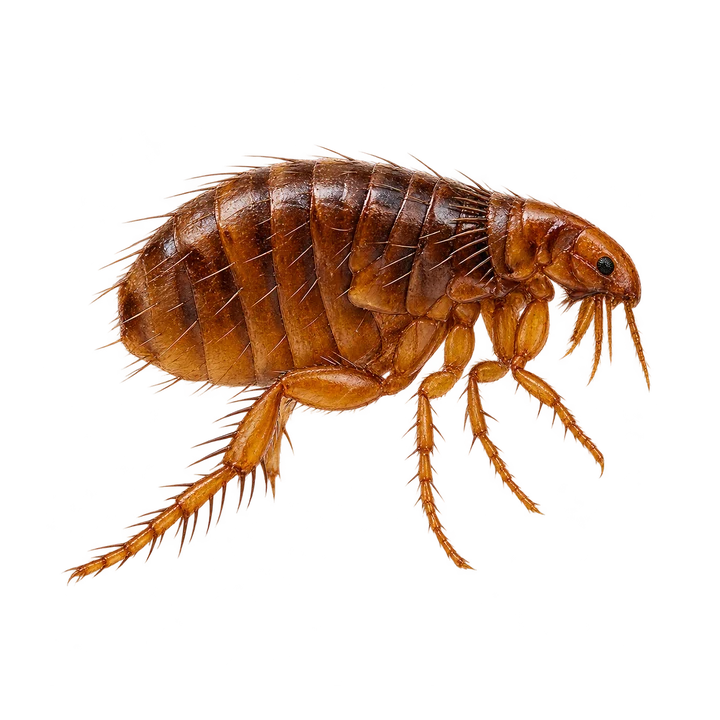
Jiggers are associated with tungiasis, a condition caused when the flea Tunga penetrans embeds in the skin. Anyone with painful lesions, swelling, infection or suspected tungiasis should seek medical assessment rather than attempting unsafe removal.
Environmental conditions also matter. Dusty or cracked floors, poorly maintained sleeping spaces and animal resting areas can support continued flea exposure, so property-level prevention can complement healthcare.
The property plan focuses on reducing exposure conditions; it does not replace diagnosis or medical treatment.
Identify areas and conditions where fleas may persist around the property.
Improve sanitation, bedding areas, floors and animal environments before treatment where advised.
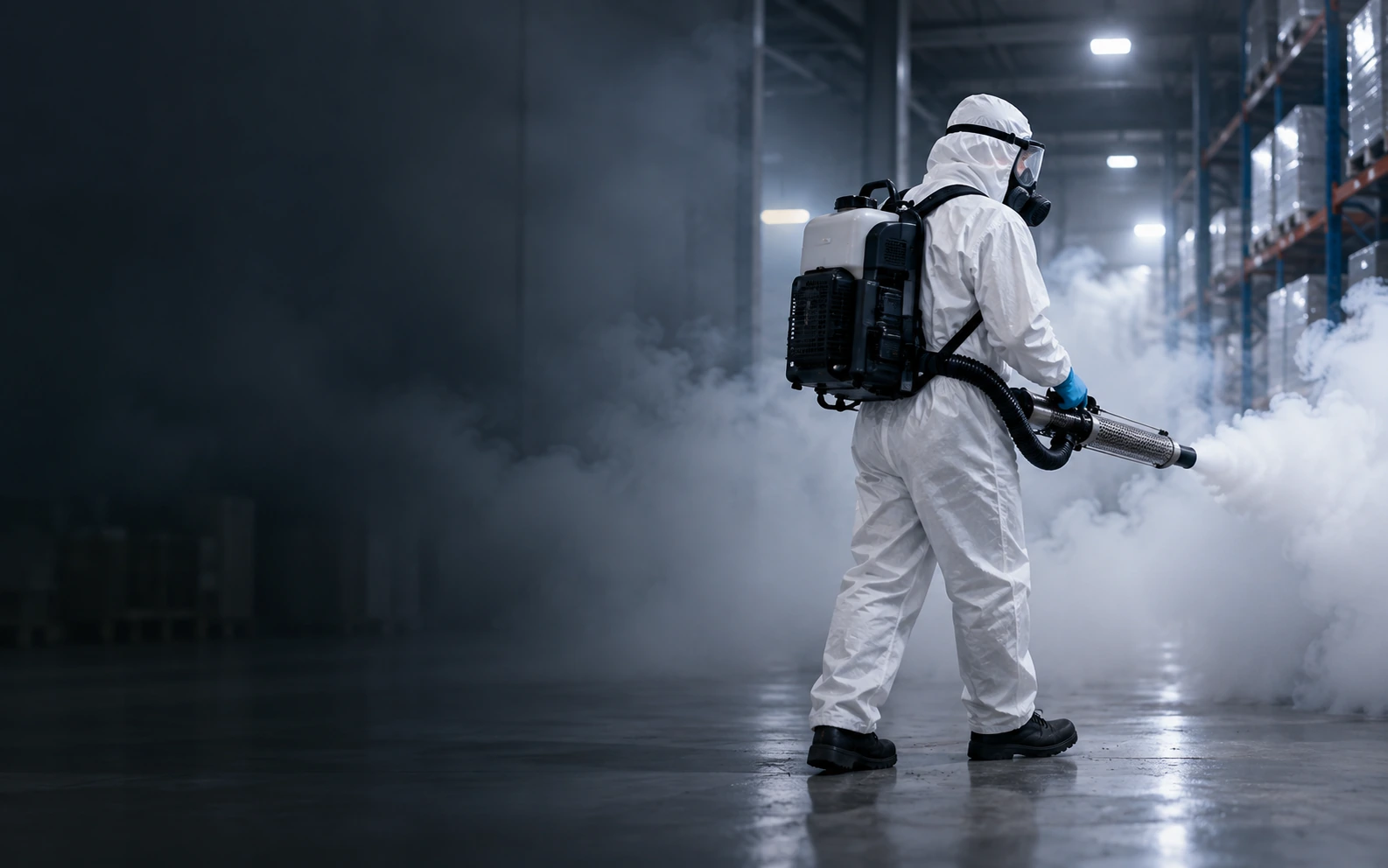
Apply appropriate property-level pest control where justified by the assessment.
Recommend ongoing cleaning, floor improvement and environmental management.
Methods are selected for the premises and are aimed at environmental flea control, not direct treatment of a person.
Persistent environmental conditions may continue to expose occupants even after individual medical care.
Animal resting spaces may need environmental assessment as part of wider flea management.
Seek qualified medical care promptly; pest-control treatment of the premises is not a substitute for healthcare.
Effective prevention combines healthcare for affected people with improvements to the environment where exposure is occurring.
If the premises remain suitable for fleas, new cases can occur after a person has been treated.
We assess the environment and recommend sanitation, floor and pest-management improvements.
Improper removal can cause injury or infection.
We clearly separate environmental pest management from medical treatment and recommend qualified healthcare.
Flea activity around animal resting places can contribute to environmental exposure.
We include animal areas in the property assessment and recommend broader flea-control measures where needed.
The premises are assessed for conditions that may support continued exposure.
Medical treatment and environmental pest management are kept clearly separate.
Cleaning, flooring and sleeping-area improvements support longer-term risk reduction.
Animal areas and other flea hotspots can be addressed as part of the environment.
Practical answers to common questions before arranging service.
No. Skin lesions and suspected tungiasis require qualified medical assessment. Pest control focuses on the environment.
The flea can persist in suitable dusty, cracked or poorly maintained areas, so environmental improvements help reduce repeated exposure.
Unsafe removal can cause injury or infection. Seek appropriate healthcare guidance.
Yes. Animal resting areas can support flea activity and may need environmental cleaning and management.
Improved floors, regular cleaning, better bedding areas, animal-area hygiene and suitable environmental pest management can all help.
Get a free quote today and take the first step towards a safer, healthier, pest-free tomorrow.