Stock Inspection
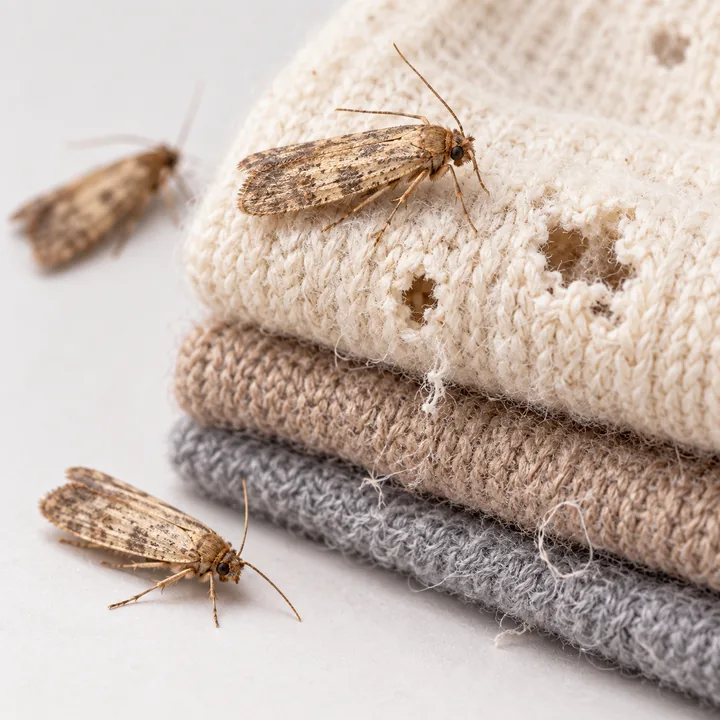
We check likely foods and packaging for insects, larvae, webbing, dust and damaged grains.
Stored Food Pest Management
Inspection-led control for weevils, beetles, moths and other stored-product pests affecting dry foods in homes, restaurants, shops, stores and food premises.
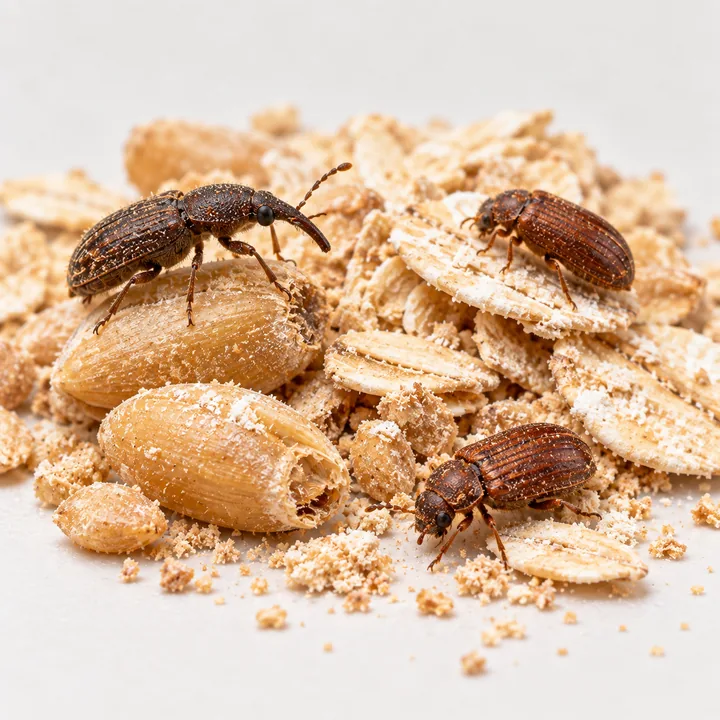
Stored-product pests are controlled most effectively by finding the infested product, cleaning the storage environment and protecting replacement stock.
We check likely foods and packaging for insects, larvae, webbing, dust and damaged grains.
Infested products are identified so they can be isolated or disposed of appropriately.
Where appropriate, cleaned shelves and crevices can receive targeted treatment after food is removed.
We recommend sealed containers, stock rotation and cleaning practices that reduce reinfestation.
Pantry pests include several weevils, beetles and moths that infest dry goods such as flour, rice, cereals, pasta, spices, nuts, seeds and animal feed. An infestation may begin in a single package and then spread through cupboards or storerooms.
Treating adult insects on walls is not enough if contaminated food remains. Source identification, product inspection and thorough cleaning are central to effective control.
The process starts with the food source and then works outward to the storage area.
Check suspect products, shelves, corners and nearby storage for signs of infestation.
Separate affected food and identify the products driving the infestation.
Clean shelves and crevices thoroughly and apply targeted treatment only where appropriate.
Improve containers, stock rotation and housekeeping to reduce repeat infestation.
Food safety comes first, so treatment is planned around removal and protection of food products.
Multiple affected products can indicate the infestation has spread beyond the original source.
Persistent adults often mean infested food remains hidden somewhere in storage.
Commercial food areas need a systematic stock and storage review to protect hygiene and inventory.
The key is to remove the infested source and stop the pests moving into replacement stock.
An unopened-looking package may still contain insects or eggs.
We inspect product groups systematically and identify likely sources.
Cleaning surfaces alone will not work if infested food remains.
The plan combines source removal, deep cleaning and storage improvement.
Stored pests can move through shelves and packaged products, affecting inventory.
We help organise inspection, isolation and prevention around commercial storage.
The infested product is found instead of only killing visible insects.
The plan emphasises food removal, cleaning and protected storage.
Better inspection can prevent unnecessary disposal of unaffected stock.
Sealed storage and stock rotation help reduce repeat problems.
Practical answers to common questions before arranging service.
Common targets include flour, rice, cereals, pasta, spices, nuts, seeds, dry pet food and animal feed.
Not automatically. Suspect and affected products should be inspected carefully and handled according to the extent of infestation.
Larvae or eggs may remain in overlooked products or crevices, so the source must be identified and removed.
Yes. Some species can move from an infested product into nearby foods, especially in loosely sealed packaging.
Use tightly sealed containers, rotate stock, keep shelves clean and inspect new dry goods before long-term storage.
Get a free quote today and take the first step towards a safer, healthier, pest-free tomorrow.