Species & Source Inspection
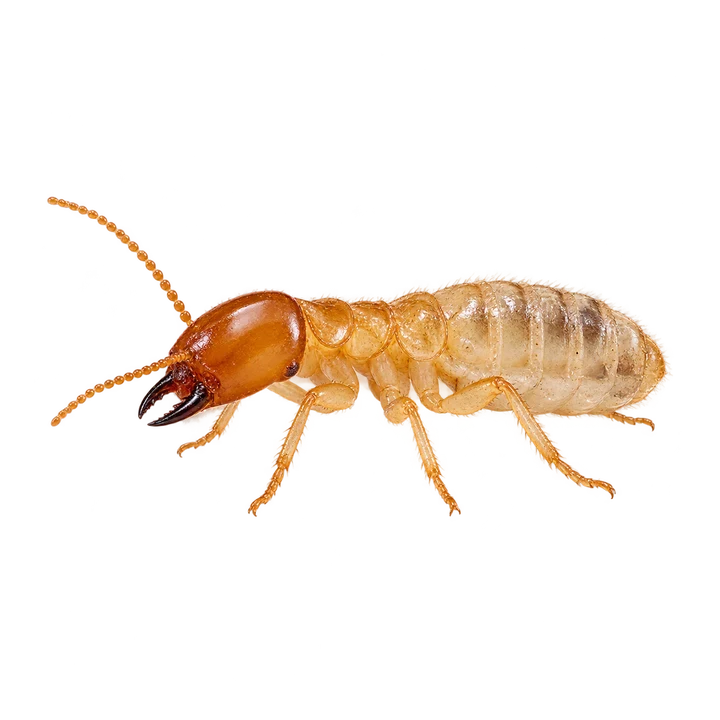
We determine whether the problem involves clothes moths, pantry moths or another stored-product insect and locate the main source of activity.
Professional Moth Control
Stop clothes moths and pantry moths from damaging fabrics or contaminating stored food with source-focused inspection, removal, targeted control and prevention.
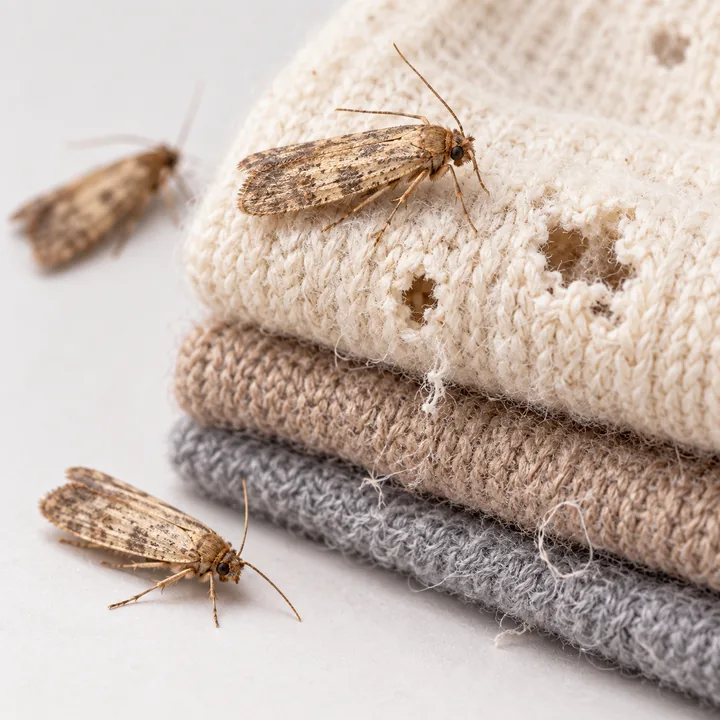
Following the same inspection-led service logic used by leading professional pest-control pages, we focus on the source of the problem, the right treatment method and practical steps that reduce recurrence.
We determine whether the problem involves clothes moths, pantry moths or another stored-product insect and locate the main source of activity.
Affected food or heavily damaged materials are identified so they can be isolated, cleaned or discarded appropriately.
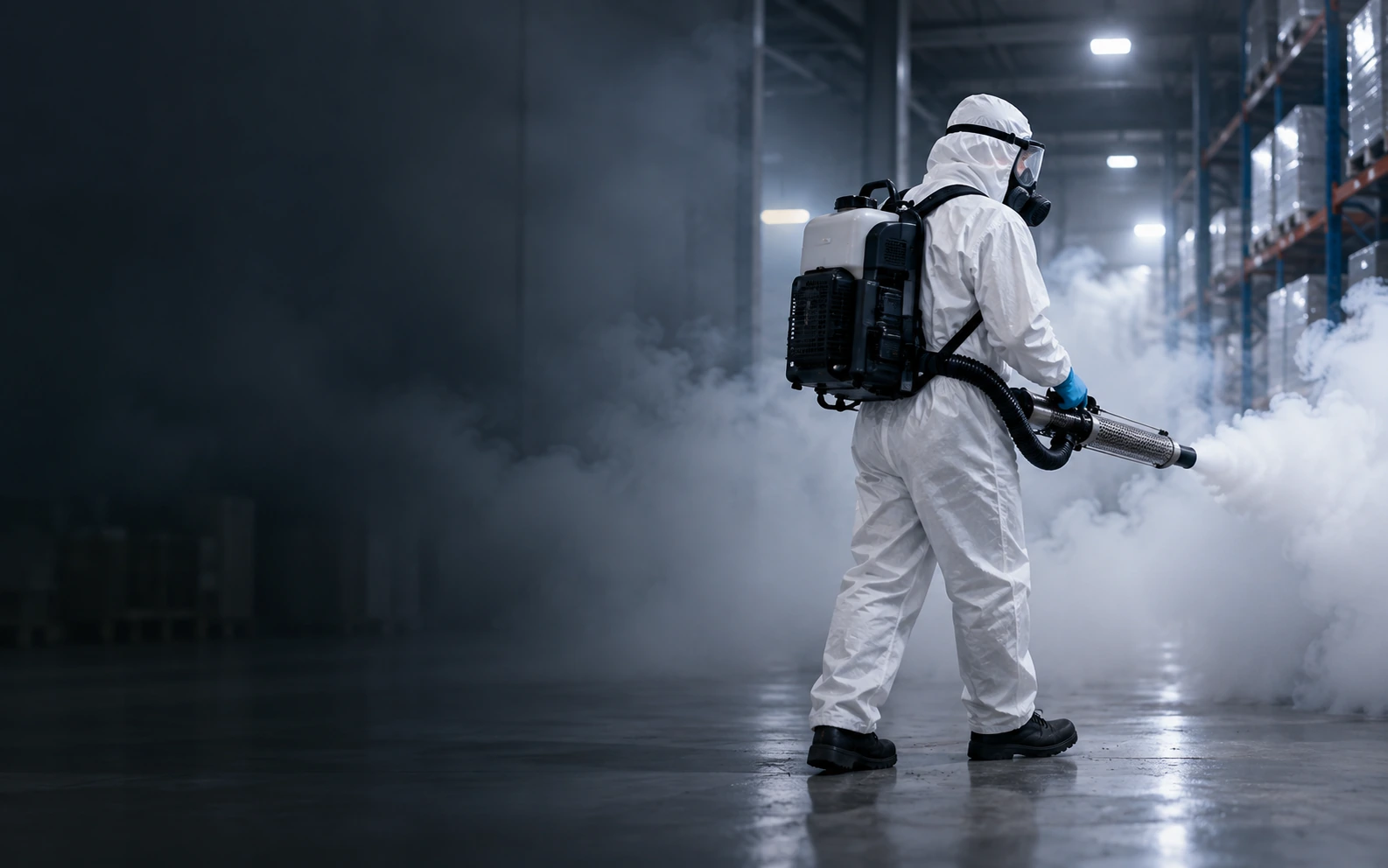
Professional control can be focused on cracks, cupboards, storage areas and other harbourages once the source has been addressed.
We use monitoring and practical storage recommendations to detect remaining activity and reduce the chance of recurrence.
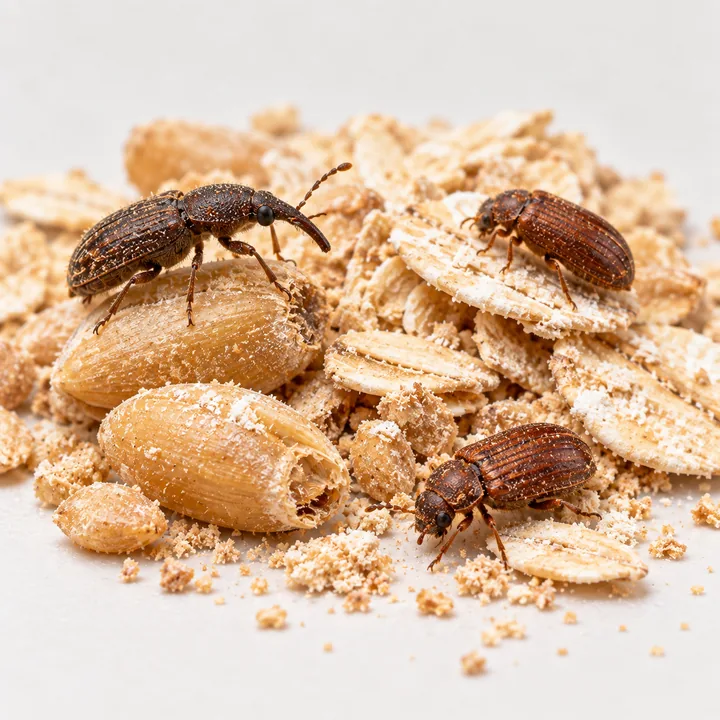
Clothes moth larvae feed on natural fibres and can damage wool, carpets, stored clothing and other animal-based materials. Pantry moth larvae infest dry foods such as cereals, flour, nuts and other stored products.
The adults you see flying are only part of the problem. Control must locate the larval source, remove contaminated material and clean or treat the harbourage where development is taking place.
A clear four-stage process keeps the work focused, measurable and easier to follow up.
Confirm whether the pest is a clothes moth, pantry moth or another stored-product insect.
Locate infested materials and isolate or dispose of products that are supporting the infestation.
Deep-clean storage areas and apply targeted professional control where appropriate.
Use monitoring and improved storage to detect any remaining activity early.
Every property is different. The technician selects methods according to pest activity, access, risk and how the space is used.
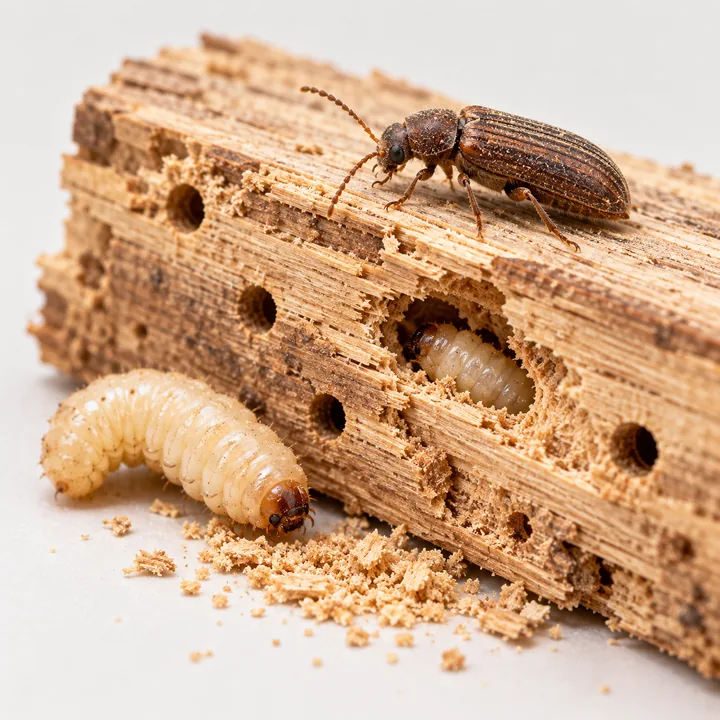
Damage to wool or natural fibres can indicate clothes moth larvae feeding in hidden areas.
Repeated moths around dry foods often indicate an infested product somewhere in the pantry.
The source may be hidden in stored products, furniture, carpets or inaccessible cracks and needs systematic inspection.
Good pest control addresses immediate activity and the conditions allowing it to continue.
Larvae can feed unnoticed on wool, carpets and stored natural fibres.
We locate the source and combine material management, cleaning and targeted control.
Pantry moth larvae can spread through stored products and packaging.
Infested products are identified and the storage area is cleaned, monitored and treated where appropriate.
Missed food packets, fabric folds or hidden larvae can restart activity.
A structured inspection covers the wider storage environment and uses monitoring to confirm whether activity remains.
Clothes moths and pantry moths need different source-control strategies.
Finding the infested material stops the pest from continuing to breed unnoticed.
Control is focused on storage and harbourage areas rather than unnecessary whole-room spraying.
Monitoring and better food or textile storage help reduce reinfestation.
Practical answers to common questions customers ask before treatment.
The larval source may be inside an overlooked food packet, fabric item or hidden crack. Cleaning is important, but source identification is essential.
Adult clothes moths do not cause the fabric damage; their larvae feed on suitable natural fibres such as wool and other animal-based materials.
Infestations can arrive in dry packaged products and then spread to other stored foods if the source is not identified and removed.
Traps are useful for monitoring and catching some adult moths, but they do not replace source removal, cleaning and treatment of harbourages.
Store dry food and vulnerable textiles securely, rotate stock, clean cupboards and wardrobes regularly and monitor for fresh adult or larval activity.
Get a free quote today and take the first step towards a safer, healthier, pest-free tomorrow.