Timber Inspection
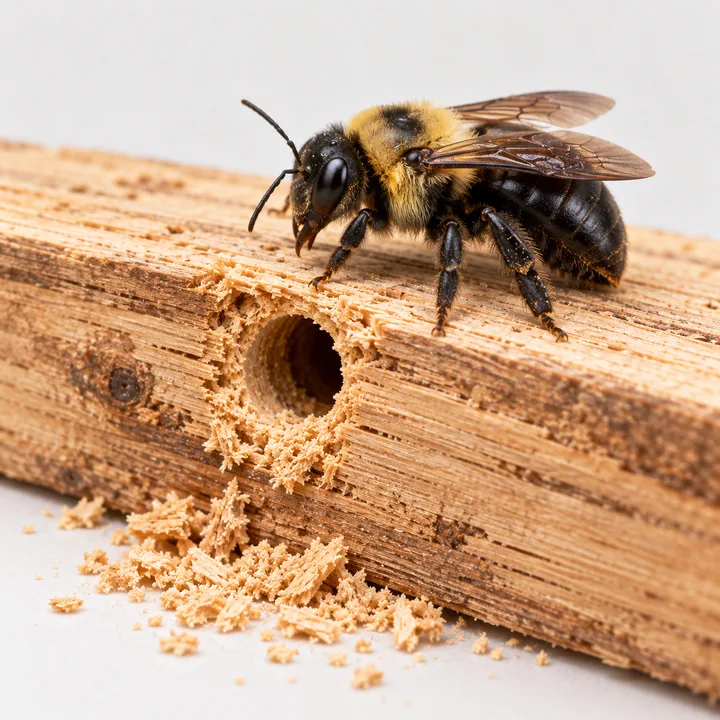
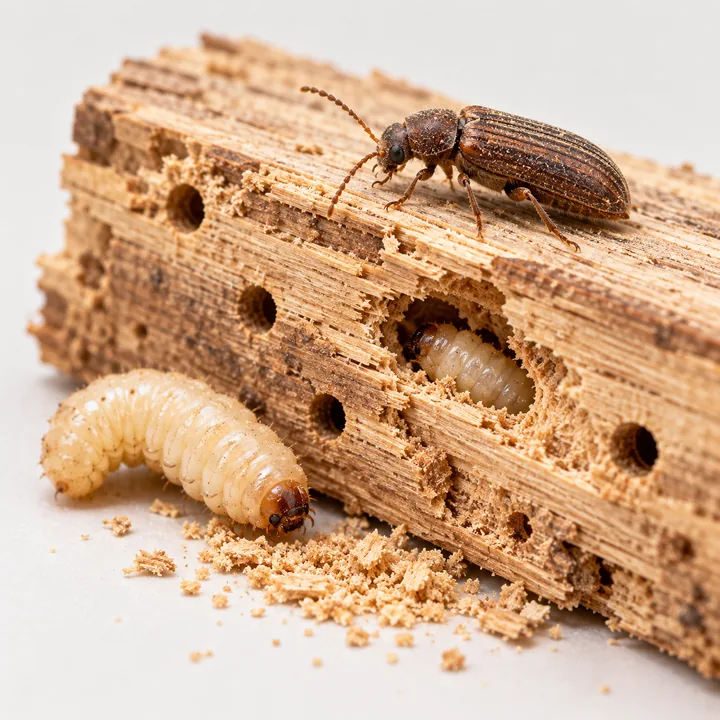
We inspect exit holes, frass, weak timber, moisture and the distribution of damage to determine whether activity may still be present.
Professional Woodworm Control
Protect furniture, flooring and structural timber from wood-boring beetles with careful inspection, activity assessment and targeted timber treatment.
Following the same inspection-led service logic used by leading professional pest-control pages, we focus on the source of the problem, the right treatment method and practical steps that reduce recurrence.
We inspect exit holes, frass, weak timber, moisture and the distribution of damage to determine whether activity may still be present.
Different wood-boring insects can create similar damage, so the treatment plan starts with correct identification and activity assessment.
Suitable timber can be treated with professional products selected for the type and extent of the infestation.
We identify damp conditions, untreated timber and storage practices that can make wood more vulnerable to further infestation.
Woodworm is a general term used for the larval stages of several wood-boring beetles. The larvae feed within timber and later create exit holes as adults emerge.
Old holes do not always mean an infestation is active. Fresh frass, new clean-edged holes and ongoing weakening are more useful indicators, which is why inspection is important before treatment.
A clear four-stage process keeps the work focused, measurable and easier to follow up.
Assess the timber, hole pattern, frass and moisture conditions.
Determine whether signs appear active and which timber areas need treatment.
Apply a targeted timber treatment to suitable affected and vulnerable areas.
Address moisture and storage conditions and monitor for any new activity.
Every property is different. The technician selects methods according to pest activity, access, risk and how the space is used.
New frass can indicate active larvae or recent emergence and should be inspected.
Repeated new exit holes suggest the infestation may still be active.
Structural or heavily damaged wood should be assessed promptly for pest damage and repair needs.
Good pest control addresses immediate activity and the conditions allowing it to continue.
Larvae feed inside timber where they are not visible.
We inspect the distribution of holes, frass and weakness to identify areas most likely to be active.
Historic exit holes can remain for years and may not need the same response as an active infestation.
Activity assessment helps avoid unnecessary treatment while focusing on fresh signs.
Damp conditions can make timber more suitable for certain wood-boring insects.
We flag moisture issues and recommend practical steps to keep treated timber drier and better protected.
The assessment is based on damage patterns and activity signs rather than appearance alone.
Only affected or vulnerable timber is prioritised for professional treatment.
Control can help protect valuable furniture, flooring and building timber from continued damage.
Moisture management and monitoring reduce the conditions that can support future infestations.
Practical answers to common questions customers ask before treatment.
Fresh frass, clean-edged new holes and repeated emergence are stronger indicators of current activity than old dark holes alone.
Yes. Wood-boring larvae can affect furniture, joinery, flooring and structural timber depending on the species and wood condition.
No. Old holes may be historic. Inspection helps determine whether the infestation appears active and which timber actually needs treatment.
Keep timber dry, repair moisture problems, inspect stored or second-hand wooden items and monitor treated areas for fresh frass or new holes.
Yes. Jopestkil can inspect and treat accessible structural timber, while severely weakened wood may also need assessment by a qualified building professional.
Get a free quote today and take the first step towards a safer, healthier, pest-free tomorrow.