Garden Inspection
We check damp shelter, plant damage, hiding points and likely activity zones.
Garden & Landscape Pest Management
Integrated snail and slug management for gardens, landscapes, nurseries and compounds where feeding damage is affecting seedlings, vegetables and ornamental plants.
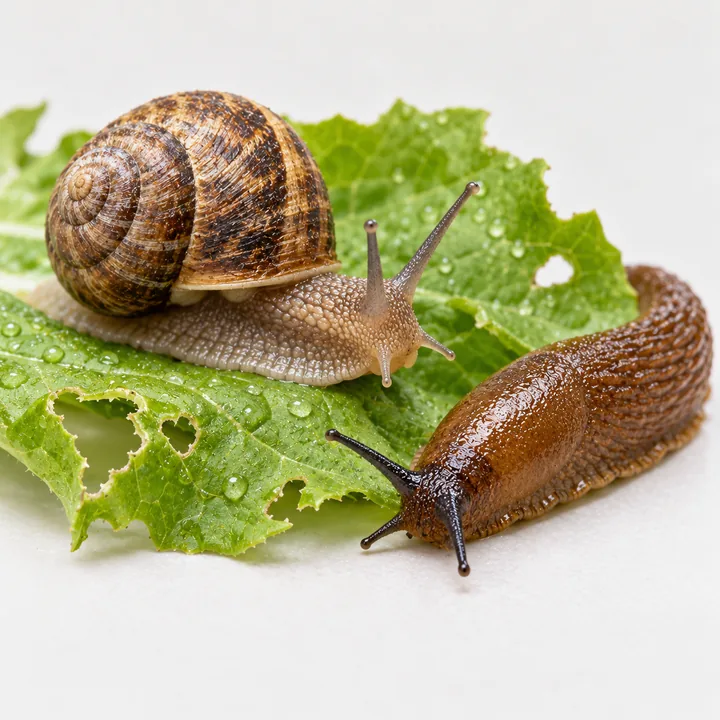
We assess where molluscs are hiding and feeding, then combine habitat management with targeted control where appropriate.
We check damp shelter, plant damage, hiding points and likely activity zones.
We identify boards, pots, dense debris and excessive moisture that protect snails and slugs.
Where appropriate, targeted control is selected for the garden and level of activity.
We recommend watering, sanitation and physical measures that help protect vulnerable plants.
Snails and slugs prefer damp, sheltered conditions and are often most active at night, after rain or during periods of high moisture. They hide beneath pots, boards, stones, mulch and dense vegetation during the day.
Seedlings and soft new growth can be damaged quickly. Long-term management is more effective when shelter and excess moisture are reduced alongside any targeted treatment.
The plan balances plant protection with reduction of the habitat that allows recurring activity.
Identify damaged plants, moisture patterns and daytime hiding places.
Remove unnecessary debris and improve garden housekeeping around vulnerable areas.
Use physical or targeted control methods appropriate to the site.
Adjust watering, barriers and plant protection to reduce future pressure.
The best method depends on plant type, garden use, moisture and the size of the affected area.
Young plants can be highly vulnerable to repeated feeding.
A large population or extensive harbourage may require a more structured plan.
Larger sites benefit from systematic monitoring and habitat management.
Good control reduces both the active population and the sheltered conditions allowing it to rebuild.
Removing a few visible snails may not reduce the many hidden nearby.
We identify daytime harbourage and combine reduction with targeted control.
Frequent wet conditions can make gardens more favourable for slugs and snails.
We recommend watering and drainage practices that reduce unnecessary moisture.
Seedlings and soft growth may be damaged before plants establish.
We use monitoring, barriers and targeted protection around the most vulnerable areas.
Control is focused around the plants and zones receiving the most damage.
Harbourage reduction makes gardens less favourable for recurring activity.
Methods are selected according to the site and infestation level.
Watering and garden-maintenance changes support longer-term control.
Practical answers to common questions before arranging service.
They are commonly more active at night, during wet weather and in damp shaded conditions.
Look for irregular holes, shredded leaf edges, slime trails and damaged or missing seedlings.
It can reduce numbers, but hidden animals, eggs and favourable habitat may allow activity to return.
Yes. Excess evening moisture can create favourable conditions, so watering timing and drainage may matter.
Yes. The approach can be adapted to home gardens, landscaped compounds, nurseries and other planted areas.
Get a free quote today and take the first step towards a safer, healthier, pest-free tomorrow.