Property Risk Inspection
We identify dense vegetation, stored materials, open gaps and other sheltered areas that may attract snakes.
Safety-First Property Management
Safety-first property assessment and prevention for homes, compounds and businesses experiencing snake activity or conditions that may attract snakes.
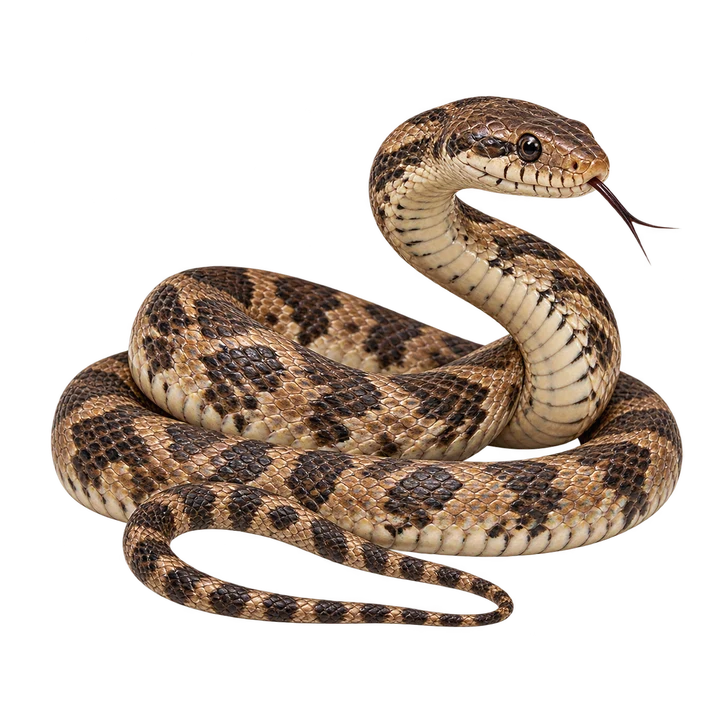
The priority is safety. We assess property conditions that can encourage snake activity and recommend practical ways to reduce shelter, prey and access.
We identify dense vegetation, stored materials, open gaps and other sheltered areas that may attract snakes.
Rodent activity can attract snakes, so prey control is an important part of prevention.
We recommend clearing unnecessary cover, clutter and material piles around occupied areas.
We identify practical gaps and building access points that can be improved where appropriate.
Snakes may enter compounds looking for shelter, cooler hiding places, water or prey such as rodents. Dense vegetation, stacked materials, poorly sealed buildings and unmanaged waste can increase suitable hiding opportunities.
If an unknown snake is currently present, do not attempt to catch, corner or identify it at close range. Keep people and pets away and seek appropriately trained local assistance for immediate removal.
Our pest-management role focuses on reducing the conditions that make a property attractive or accessible to snakes.
Identify shelter, prey, water and access conditions around the property.
Address rodent activity and food sources that can attract snakes.
Improve housekeeping, vegetation management and material storage.
Recommend practical building maintenance and gap reduction where feasible.
Snake prevention is primarily environmental and structural rather than indiscriminate chemical treatment.
Keep a safe distance and contact appropriately trained local wildlife or emergency assistance; do not attempt to handle it yourself.
Repeated activity can indicate suitable shelter, prey or access around the property.
Controlling rodents can reduce one of the main food sources attracting snakes.
Prevention works best when the property conditions supporting snake activity are addressed together.
Dense ground cover and stored materials can provide concealed resting places.
We identify high-risk harbourage and recommend practical clearing and storage changes.
Persistent rats and mice can draw snakes toward buildings.
We pair snake-prevention advice with rodent management where needed.
Gaps can allow small snakes to enter stores, garages or ground-level rooms.
We identify practical exclusion and maintenance improvements around likely access points.
The plan avoids unnecessary close contact with unknown snakes.
Rodent control addresses an important attraction factor.
Harbourage reduction improves visibility and reduces hiding places.
Building gaps and access points are identified for maintenance.
Practical answers to common questions before arranging service.
Keep a safe distance, move people and pets away, avoid cornering the animal and contact appropriately trained local assistance if removal is needed.
No. Snake movement cannot be completely prevented, but reducing prey, shelter and building access can lower risk around occupied property.
Yes, rodents are prey for many snake species, so persistent rat or mouse activity can make a property more attractive.
Do not approach an unknown snake for identification. A photo taken only from a safe distance may help trained responders, but safety comes first.
Reduce dense vegetation and clutter near buildings, store materials neatly, manage rodents and waste, and improve obvious gaps where feasible.
Get a free quote today and take the first step towards a safer, healthier, pest-free tomorrow.