Comprehensive Inspection
We inspect corners, roof spaces, window frames, storage areas, exterior lighting zones and other locations where webs or spiders repeatedly appear.
Professional Spider Control
Reduce recurring spider activity with inspection-led treatment focused on webs, harbourages, entry points and the insects that attract spiders indoors.
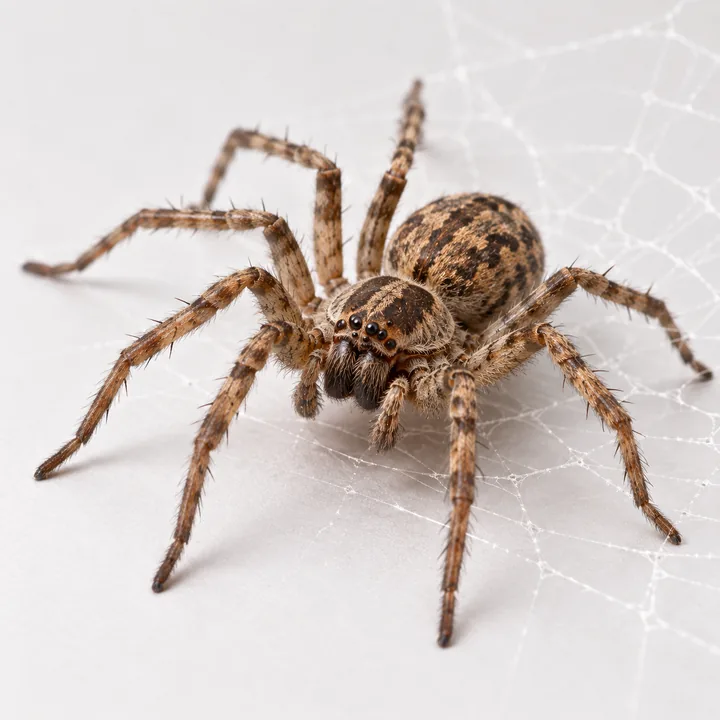
We start by understanding the infestation, then use a targeted plan designed around the property and the pest behaviour.
We inspect corners, roof spaces, window frames, storage areas, exterior lighting zones and other locations where webs or spiders repeatedly appear.
Accessible webbing and egg sacs can be removed as part of the service to reduce active harbourage and make monitoring easier.
Where treatment is appropriate, it is focused on cracks, edges, entry points and harbourage areas rather than unnecessary blanket application.
We identify gaps, clutter, exterior lighting and insect activity that may be encouraging spiders to stay around the property.
Spiders often enter buildings in search of shelter or prey. Repeated webbing can be linked to gaps around windows and doors, quiet storage areas, exterior lighting that attracts insects, and undisturbed corners where spiders can establish themselves.
Good spider control therefore combines direct removal with management of entry points and the insect prey supporting spider activity. The objective is to reduce both the spiders and the conditions drawing them back.
A clear four-stage process keeps the work focused and makes follow-up easier to assess.
We identify active webbing, likely harbourages, entry points and prey-insect activity around the property.
Accessible webs and egg sacs are removed to reduce active sites and improve visibility for follow-up monitoring.
Targeted treatment is applied where appropriate to key harbourage and entry areas.
We recommend practical exclusion, lighting, cleaning and insect-control measures that make the property less attractive to spiders.
Every property is different. The technician selects methods based on the pest, infestation level, access and how the space is used.
A noticeable rise in indoor sightings can indicate favourable harbourage or a strong food source around the building.
Repeated webbing in the same locations suggests active spider sites or easy access from outside.
Activity in bedrooms, storage areas, children’s spaces or frequently used rooms deserves closer assessment.
Good pest control addresses the immediate activity and the conditions allowing it to continue.
Constant webbing makes rooms, entrances and commercial spaces look poorly maintained.
We remove accessible webs, treat suitable harbourage points and identify why spiders are repeatedly choosing those locations.
Gaps around openings and service points can allow spiders to move indoors.
Inspection and exclusion guidance help reduce those access routes alongside targeted control.
Outdoor lights can attract insects, which in turn attract spiders.
We address spider harbourages and advise on practical ways to reduce prey-insect pressure around entrances and lighting areas.
Removal of webbing improves the appearance of occupied and customer-facing areas.
Treatment is focused on likely spider sites instead of indiscriminate spraying.
Practical exclusion advice helps reduce repeated movement indoors.
We also consider the insect activity that may be feeding the spider problem.
Practical answers to questions customers commonly ask before treatment.
Web removal deals with the visible sign but may not address entry points, egg sacs, harbourages or the insects attracting spiders. A broader control plan targets those factors.
No. Many spiders are not considered dangerous and can help control insects. Professional assessment is useful when spider activity is heavy, species are uncertain or occupants are concerned about bites.
Common locations include ceiling corners, behind stored items, roof spaces, garages, window frames, curtains, undisturbed rooms and other quiet areas.
Yes. Exterior harbourages and entry points can be important, especially around windows, doors, roof lines, lights and sheltered corners.
Keep storage areas tidy, remove webs, reduce insect-attracting clutter, seal practical entry gaps and manage lighting or other conditions that draw flying insects close to entrances.
Get a free quote today and take the first step towards a safer, healthier, pest-free tomorrow.